como fazer um bom jejum intermitente Jejum intermitente: o que é, tipos, como fazer e cardápio
Intermittent fasting, also known as the fasting intermittent diet, is a popular trend that has gained momentum in recent years. It involves alternating periods of fasting and eating within a specific time window. This approach has gained popularity among individuals looking to improve their health, lose weight, or simply adopt a healthier lifestyle.
Understanding Intermittent Fasting
Intermittent fasting is not a diet plan in itself but rather an eating pattern. It doesn’t specify the types of foods you should eat but rather when you should eat them. The most common way to practice intermittent fasting is by splitting your day or week into fasting and eating periods.
There are several methods of intermittent fasting, including:
- 16/8 Method
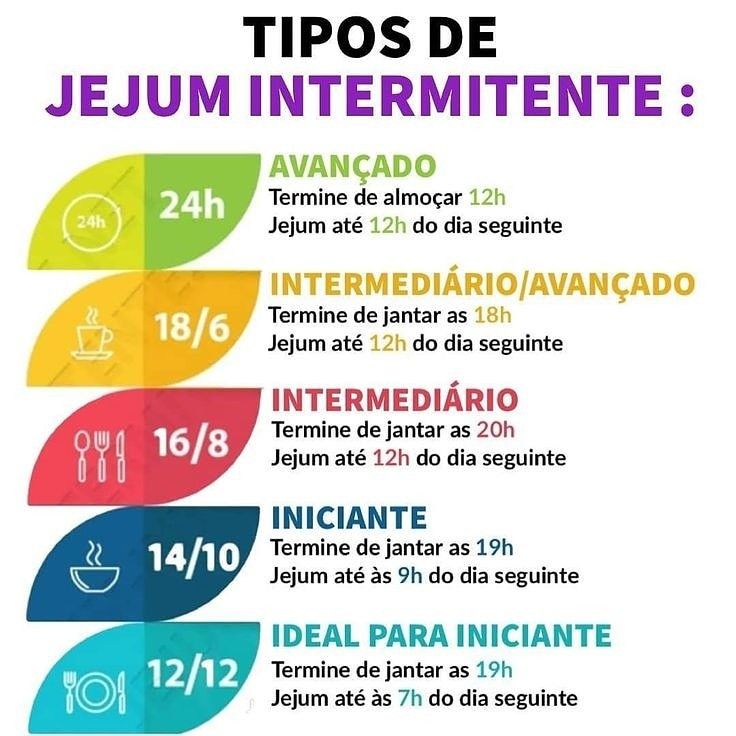
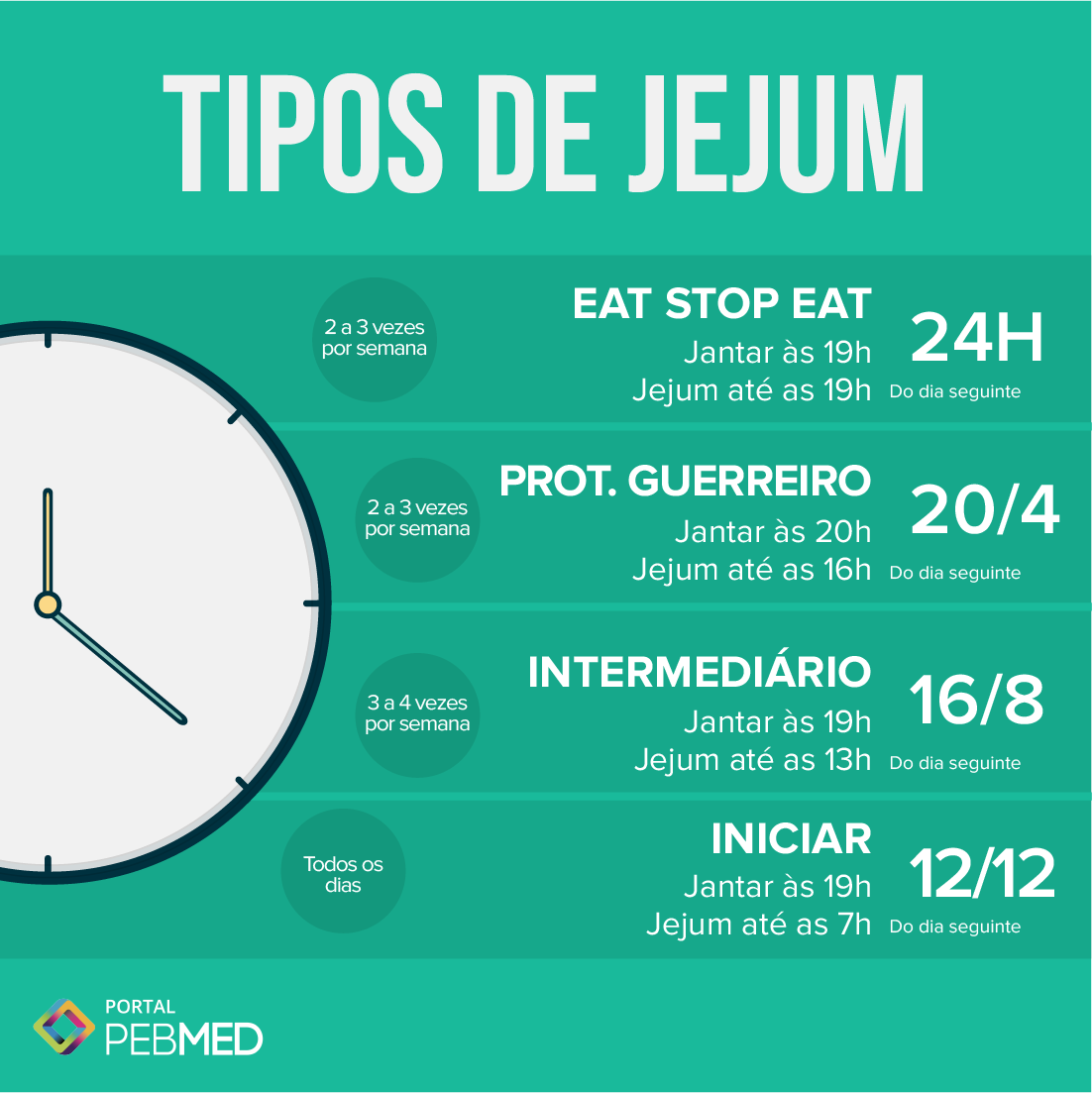
The 16/8 method involves fasting for 16 hours and restricting your eating to an eight-hour window. For example, you could choose to eat between 12 pm and 8 pm and then fast until the next day at 12 pm. This method is easy to follow and can be incorporated into most people’s daily routines.
- 5:2 Diet
The 5:2 diet involves eating normally for five days of the week and then limiting calorie intake to 500-600 calories for the remaining two days. These two days are not necessarily consecutive. This method allows for more flexibility and is less restrictive.
Health Benefits of Intermittent Fasting
Intermittent fasting has been studied for its potential health benefits, which can go beyond weight loss. Some key benefits include:
- Weight Loss and Improved Metabolic Health
Intermittent fasting can help control calorie intake and lead to weight loss. It may also improve metabolic health by reducing insulin levels, inflammation, and triglyceride levels. Additionally, intermittent fasting has been shown to increase the production of human growth hormone (HGH), which aids in fat burning and muscle gain.
- Reduced Risk of Chronic Diseases
Research suggests that intermittent fasting may reduce the risk of developing chronic diseases such as heart disease, type 2 diabetes, and certain cancers. Fasting has been shown to improve various risk factors, including blood pressure, cholesterol levels, and blood sugar control.
- Enhanced Brain Function
Intermittent fasting may also benefit brain health and cognitive function. Animal studies have shown that fasting can increase the growth of new nerve cells, improve brain function, and protect against neurodegenerative diseases such as Alzheimer’s and Parkinson’s.
- Increased Lifespan
Some studies on animals have found that intermittent fasting can extend lifespan by delaying the aging process and reducing the risk of age-related diseases. While further research is needed, these findings are promising.
As with any dietary approach, it’s important to consult with a healthcare professional before starting intermittent fasting, especially if you have any underlying health conditions or are taking medication.
 Understanding Intermittent Fasting
Intermittent fasting can be an effective strategy for weight loss and improving overall health. However, it’s important to follow a healthy and balanced diet during the eating periods to ensure proper nutrition. Avoiding processed foods and focusing on whole, nutrient-dense foods is crucial.
 Getting Started with Intermittent Fasting
If you’re interested in trying intermittent fasting, start by selecting a fasting method that aligns with your lifestyle and preferences. It’s important to ease into it gradually and give your body time to adjust. Drinking plenty of water, black coffee, or herbal tea during fasting periods can help curb hunger.
Remember, intermittent fasting might not be suitable for everyone. Pregnant or breastfeeding women, individuals with eating disorders or diabetes, and those with a history of nutrient deficiencies should avoid fasting or consult a healthcare professional before starting.
Overall, intermittent fasting can be a viable and sustainable approach to achieving weight loss and improving overall health. However, it’s essential to listen to your body and make sure you’re getting the necessary nutrients and calories during eating periods. Consult with a healthcare professional to determine if intermittent fasting is the right choice for you.
If you are searching about CONOSCI IL FASTING INTERMITTENTE ??? | Workout food, Dieta detox you’ve came to the right page. We have 5 Pics about CONOSCI IL FASTING INTERMITTENTE ??? | Workout food, Dieta detox like Como Fazer Jejum Intermitente Protocolo 16 x 8 - Melhor Versão de Você, Jejum intermitente: o que é, tipos, como fazer e cardápio | Tipos de and also Jejum intermitente não é só para perda de peso: quais outras aplicações. Here you go:
CONOSCI IL FASTING INTERMITTENTE ??? | Workout Food, Dieta Detox
br.pinterest.comintermitente jejum dieta passo emagrecer fasting cardápio protocolo
Jejum Intermitente: O Que é, Tipos, Como Fazer E Cardápio | Tipos De
 www.pinterest.ptComo Fazer Jejum Intermitente Protocolo 16 X 8 - Melhor Versão De Você
 mudedeatitudeeemagreca.blogspot.comJejum Intermitente Não é Só Para Perda De Peso: Quais Outras Aplicações
 institutoflash786.orgJEJUM INTERMITENTE
saudebrasilportal.com.brjejum intermitente dieta emagrecer emagrece quais gordura regime melhor
Intermitente jejum dieta passo emagrecer fasting cardápio protocolo. Jejum intermitente: o que é, tipos, como fazer e cardápio. Jejum intermitente